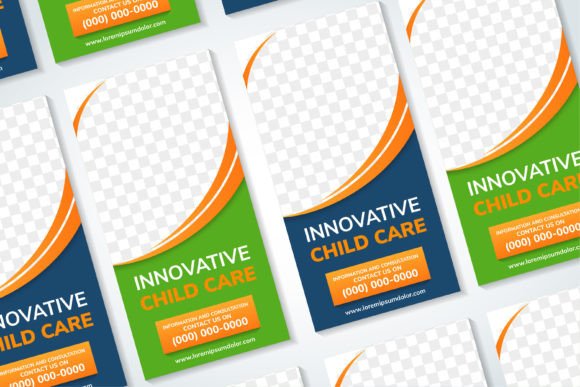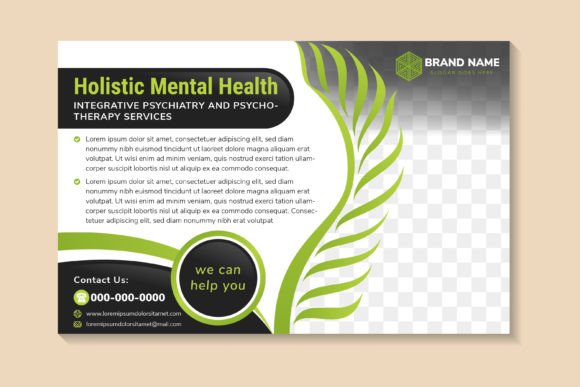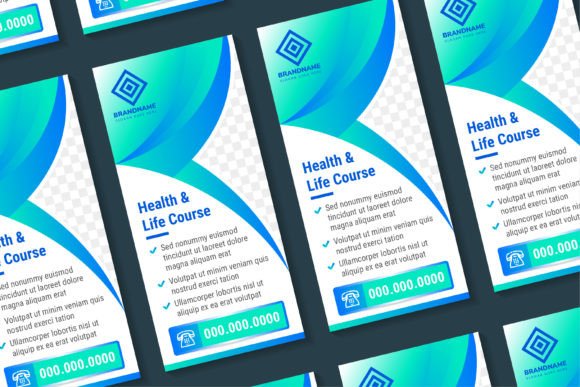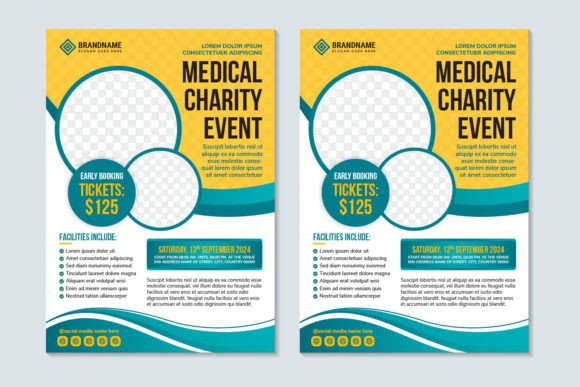
Child Graphics: Print Templates for Sellers
As a digital product creator who has spent years navigating the shifting tides of Etsy, Creative Fabrica, and print-on-demand platforms, I have learned that not every asset is created equal. When I first opened the file package labeled Child, my initial reaction was one of cautious optimism. In a market saturated with generic clipart and overused motifs, finding a graphic design asset that balances commercial viability with genuine artistic appeal is rare. This review breaks down how this specific collection performs in real-world selling scenarios, from SVG cut files to high-resolution PNG designs.
First Impressions and Visual Personality
The Child collection does not scream for attention with neon colors or chaotic layouts. Instead, it offers a versatile visual personality that leans towards the playful yet polished. The mood is approachable, making it ideal for buyers looking for handmade business aesthetics rather than cold, corporate visuals. Whether you are targeting parents for nursery prints or young adults for retro-style apparel, the illustration style bridges the gap between cute and commercial.
What stands out immediately is the adaptability. While the core theme might suggest juvenile subjects, the execution allows for broader applications. The lines are clean, which is critical for anyone using these as a Cricut project or Silhouette cut file. For digital download sellers, the transparency in the PNG files appears consistent, reducing the time spent on background removal—a significant efficiency boost when preparing hundreds of listings.
Versatility Across Product Niches
The true test of any printable design is its range. The description notes that these assets can support themes ranging from Halloween and Christmas to unicorns, watercolor styles, coffee motifs, love quotes, nurse appreciation, retro vibes, pumpkins, skulls, and fall aesthetics. In practice, this means you are not buying a single-use item but a foundational element for multiple seasonal collections.
- Apparel and Merchandise: The designs translate well to t-shirt graphics and mug designs. Because the elements are distinct, they hold up on dark fabrics when paired with a white underbase in sublimation design workflows.
- Paper Goods: These assets shine in greeting cards and invitation templates. The whimsical nature fits perfectly with birthday parties or baby showers.
- Home Decor: Use them for planner stickers, tote bag prints, or even tumbler wraps. The scaleability of the vector files ensures no loss in quality when resizing for larger formats like wall art.
For Canva template sellers, these elements serve as excellent decorative accents. You can layer them behind text boxes or use them as frame borders to enhance visual hierarchy without overwhelming the main message. This flexibility makes the asset valuable for content creators who need quick, professional-looking social media graphics or blog headers.
Enhancing Product Presentation
In the competitive landscape of creative marketplace listings, your thumbnail is everything. Using Child in your product mockup strategy can significantly improve click-through potential. The clean lines and balanced composition allow for clear branding. When I tested these graphics on various mockups, they maintained their integrity, adding perceived value to the final product.
Brand consistency is another key factor. If you are building a small business branding suite, these illustrations can be paired with specific typography to create a recognizable look. For example, combining the softer elements with a handwritten font creates a warm, inviting feel, while pairing bolder icons with a sans serif font projects modernity. This level of control helps establish trust with customers who appreciate cohesive packaging design and professional presentation.
Strategic Placement and Cautionary Notes
While versatile, this asset is not a magic bullet for every scenario. It works best in large product previews, themed bundles, and decorative layouts where the details can be appreciated. However, there are areas where you must exercise caution.
- Tiny Details: Avoid using intricate parts of the design for tiny sticker designs or favicons. The details may blur or disappear when scaled down too far.
- Complex Layouts: Do not crowd these graphics into already busy thumbnails. Let the illustration breathe to maintain focus.
- Contrast Issues: Be mindful when placing lighter elements on white backgrounds. Always test your design on both light and dark surfaces to ensure visibility.
- Cutting Precision: If you are marketing these as SVG designs for cutting machines, always inspect the nodes. Complex watercolor effects may require simplification for clean cuts on vinyl.
For text-heavy templates, such as detailed planner pages or instructional guides, use these graphics sparingly. They should complement the content, not compete with it. Overusing decorative elements can distract from the primary information, reducing the usability of the final digital product.
Practical Seller Notes for Implementation
Before publishing your next Etsy product or Shopify listing, take the time to rigorously test the files. Here is a checklist I recommend for any serious seller:
First, verify the file resolution. Ensure that the PNGs are at least 300 DPI for high-quality print products. Second, check the SVG cut quality by running a test cut on scrap material. This prevents customer complaints regarding broken lines or excessive weeding time. Third, organize your files clearly. Customers appreciate a well-structured download folder that separates formats like SVG, PNG, and JPG.
Typography pairing is crucial. Experiment with different font styles. A bold display font can anchor a playful illustration, while a delicate script font can enhance a feminine or romantic theme. Always confirm the commercial license terms before selling finished products. Most reputable marketplaces provide a commercial design license, but it is your responsibility to ensure you are compliant with usage rights, especially if you are modifying the original artwork significantly.
Finally, consider how these assets fit into your broader design bundle strategy. Can you combine Child with other seasonal elements to create a comprehensive fall or holiday pack? Bundling increases average order value and provides more utility to your customers. By treating these graphics as modular components rather than static images, you maximize their ROI for your online shop.
In conclusion, Child is a robust addition to any digital seller’s toolkit. It offers the flexibility needed for diverse niches, from nurse appreciation gifts to spooky Halloween decor. By understanding its strengths in visual storytelling and respecting its limitations in micro-details, you can create high-converting listings that stand out in crowded digital marketplaces. Whether you are a seasoned designer or a new crafter, this asset supports the creation of professional, sellable products that resonate with today’s buyers.