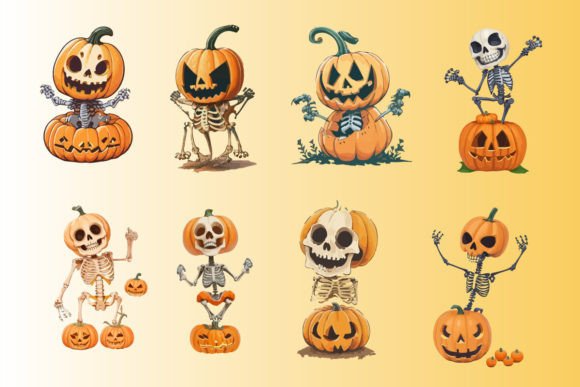
Skeleton Pumpkin: A Designer’s Stitch Review
When I first pulled up the Skeleton Pumpkin file on my screen, I wasn’t looking for flashiness. I was looking for viability. As an embroidery designer who has spent countless hours troubleshooting puckered fabric and broken needles, my criteria are strict. Does this design hold up under the needle? Will it look crisp on a textured towel? Is it versatile enough to justify the digitizing effort? This illustration falls squarely into the category of seasonal Graphics that can make or break a holiday collection, so I approached it with a critical eye before letting it near my machine.
First Impressions and Visual Personality
The immediate mood of the Skeleton Pumpkin is playful yet edgy. It bridges the gap between spooky Halloween aesthetics and the cozy warmth of fall decor. The layout appears balanced, avoiding the common pitfall of overly dense centers that cause fabric distortion. For those of us working with Illustrations meant for stitch-out, the visual personality here is key. It doesn’t rely on tiny, fragile details that might get lost in thread bulk. Instead, it uses bold shapes that translate well into satin stitch borders and manageable fill stitch areas.
I appreciated the thematic flexibility. While clearly rooted in Halloween, the skeleton motif paired with a pumpkin offers a retro vibe that fits seamlessly into broader autumn collections. It’s not just for October; it works for general fall decor, making it a smarter investment for a craft business looking to extend the shelf life of their design assets.
Real-World Application: The Tote Bag Test
To truly evaluate a machine embroidery design, you have to imagine it on a real product. I visualized this design on a heavy canvas tote bag design. This is a popular item for Etsy sellers and boutique owners. The sturdy fabric of a tote can handle higher stitch density without warping, which is crucial for a graphic like this. The contrast of white or cream thread against a natural or black canvas would make the skeleton features pop, ensuring high visibility from a distance.
Beyond totes, I considered sweatshirt embroidery. A crewneck sweatshirt provides a stable, thick surface that minimizes the risk of registration errors. Placing the Skeleton Pumpkin on the left chest creates a subtle, professional look, while a larger placement on the back appeals to the younger demographic interested in streetwear-inspired custom apparel. The design’s clean lines suggest it would stitch out cleanly on fleece, provided the proper stabilizer is used to prevent sinking.
Versatility Across Product Lines
One of the strongest aspects of this graphic is its adaptability. It isn’t confined to one niche. Here is how I see it performing across different categories:
- Holiday Embroidery: Perfect for Halloween parties, trick-or-treat bags, and themed home decor.
- Baby Embroidery: If scaled down and simplified, it could work on onesies for "spooky season" photos, though care must be taken with soft fabrics.
- Embroidered Patch: The bold outlines make it an ideal candidate for iron-on or sew-on patches, allowing customers to add flair to jackets or backpacks.
- Kitchen Textiles: Imagine this on a tea towel or apron. It adds a touch of whimsy to holiday hosting.
Technical Considerations and Fabric Challenges
While the design is strong, no embroidery file is universal. There are specific scenarios where you need to proceed with caution. If you are planning to stitch this on thin or stretchy fabric, such as a lightweight t-shirt or a jersey cap, the density becomes a concern. High-density fills can cause puckering if the fabric isn’t properly supported. I recommend using a cut-away stabilizer for stretchy materials to maintain the integrity of the finished product.
Curved surfaces, like baseball caps, present another challenge. The flat nature of the illustration needs to be checked for distortion when wrapped around a crown. I advise running a test stitch on a scrap piece of similar fabric before committing to a client’s garment. This is especially important for commercial embroidery where consistency and quality control are paramount. Check the small details in the skeleton’s face; if they are too close together, they may merge during stitching, losing the character’s expression.
Color and Contrast Strategy
Thread color selection can make or break this design. On dark fabrics, using bright oranges, whites, and yellows will create high contrast. However, on light fabrics, you might need to introduce a darker outline or shadow effect to ensure the design doesn’t wash out. I always test my designs in black and white mockups first to verify that the shape reads clearly without color reliance. This step is crucial for creating effective printable mockup previews for your online shop.
Business Value and Customer Appeal
From a business perspective, the Skeleton Pumpkin adds tangible value. It taps into the evergreen market of seasonal decor while offering a unique twist on traditional motifs. For small shop product lines, having a distinctive graphic helps with brand recognition. Customers are drawn to designs that feel curated and professional. A well-stitched version of this illustration signals quality, building trust with buyers who are looking for durable, handmade product items.
Moreover, this design supports various revenue streams. It can be sold as a digital embroidery file to other makers, or used to create physical goods like personalized gifts. The versatility allows for bundling—pairing it with other fall-themed graphics to create a cohesive collection. This strategy increases average order value and encourages repeat customers.
Final Designer Notes
Before you load this into your machine, take a moment to review the technical specs. Since the product description mentions it is an illustration usable for various items, ensure you have the correct file format for your specific machine. Check the recommended hoop size to ensure it fits your project dimensions. Always confirm licensing terms if you plan to sell finished items or distribute the digital file. Not all designs allow for unlimited commercial use, so clarity here protects your business.
- Test on Scrap: Never skip the test stitch. Verify tension and density on fabric similar to your final product.
- Check Stabilizer: Match your stabilizer to your fabric weight. Heavy fabrics need less support; light fabrics need more.
- Inspect Details: Zoom in on the digital preview. Are there any tiny jumps or complex corners that might cause thread breaks?
- Contrast Check: Ensure your thread colors stand out against the fabric background.
In conclusion, the Skeleton Pumpkin is a robust addition to any autumn design library. It balances aesthetic appeal with practical stitchability, making it suitable for a wide range of projects from personalized gift items to boutique merchandise. With careful attention to fabric choice and stabilization, it can elevate your seasonal offerings and delight your customers. Treat it with the respect a good design deserves, and it will serve your embroidery project goals well.